New Orleans: An America That Feels a Little Different
Originally, Big yun and I wanted to visit New Orleans over the Fourth of July. Then we checked flights and hotels and realized the prices were fully committed to the holiday spirit. So reason defeated impulse, and we pushed the trip back to Labor Day in September.
Looking back, that was absolutely the right call. At the very least, my wallet did not get its own declaration of independence.
Before coming here, my impression of the city was roughly this:
- My first impression came from KFC. I had always wanted to know why the words “New Orleans” somehow became permanently associated with chicken wings.
- It is in the American South, so I assumed it would be hot, humid, and feel like the air itself had moisture levels you could measure in liters.
- Black culture, jazz, French colonial history, and slavery. Those were the main labels I had in mind.
This was a three-day, two-night trip, and honestly it did not feel rushed. New Orleans itself is not that big, at least not in the way New York makes you feel like every day is a KPI dashboard.
Wait, did I just arrive in France?
My friend and I stayed near the French Quarter. The moment I got there, I felt slightly disoriented: this did not look like the America I was used to.
The architecture is instantly recognizable — wrought-iron balconies, colorful facades, narrow streets. As you walk around, it becomes very easy to feel like you did not actually go to Louisiana, but somehow wandered into a 19th-century French town.
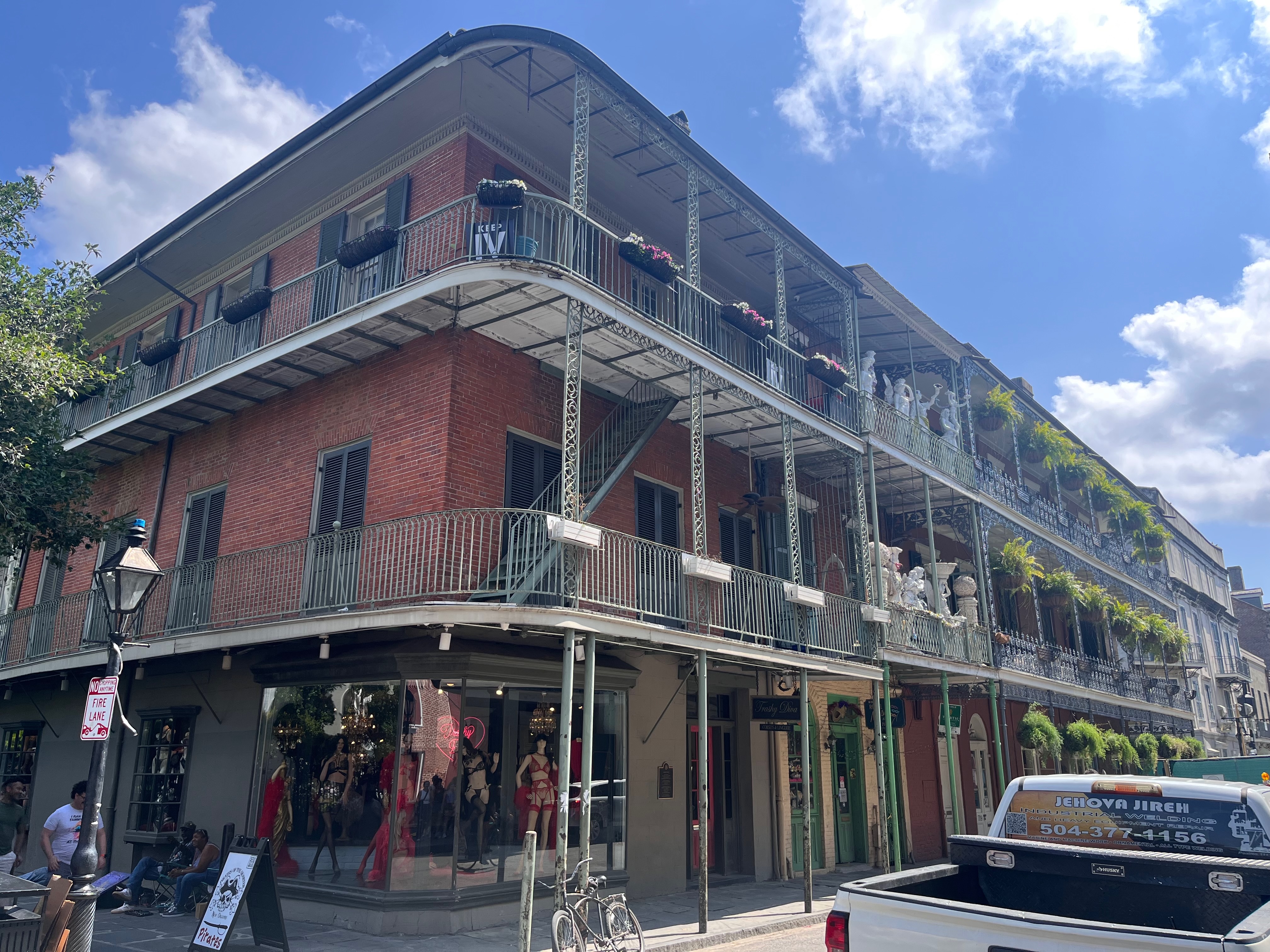 New Orleans has this atmosphere for a reason, and that reason is history. The city was originally founded by the French, later ruled for a period by Spain, and only after that became part of the United States. So its identity is layered: a French name, architecture shaped in part during the Spanish period, the urban texture of the American South, and then Caribbean and African influences mixed in over time. The result is a place that is genuinely hard to categorize. It does not merely “feel European.” It actually carries that colonial European DNA.
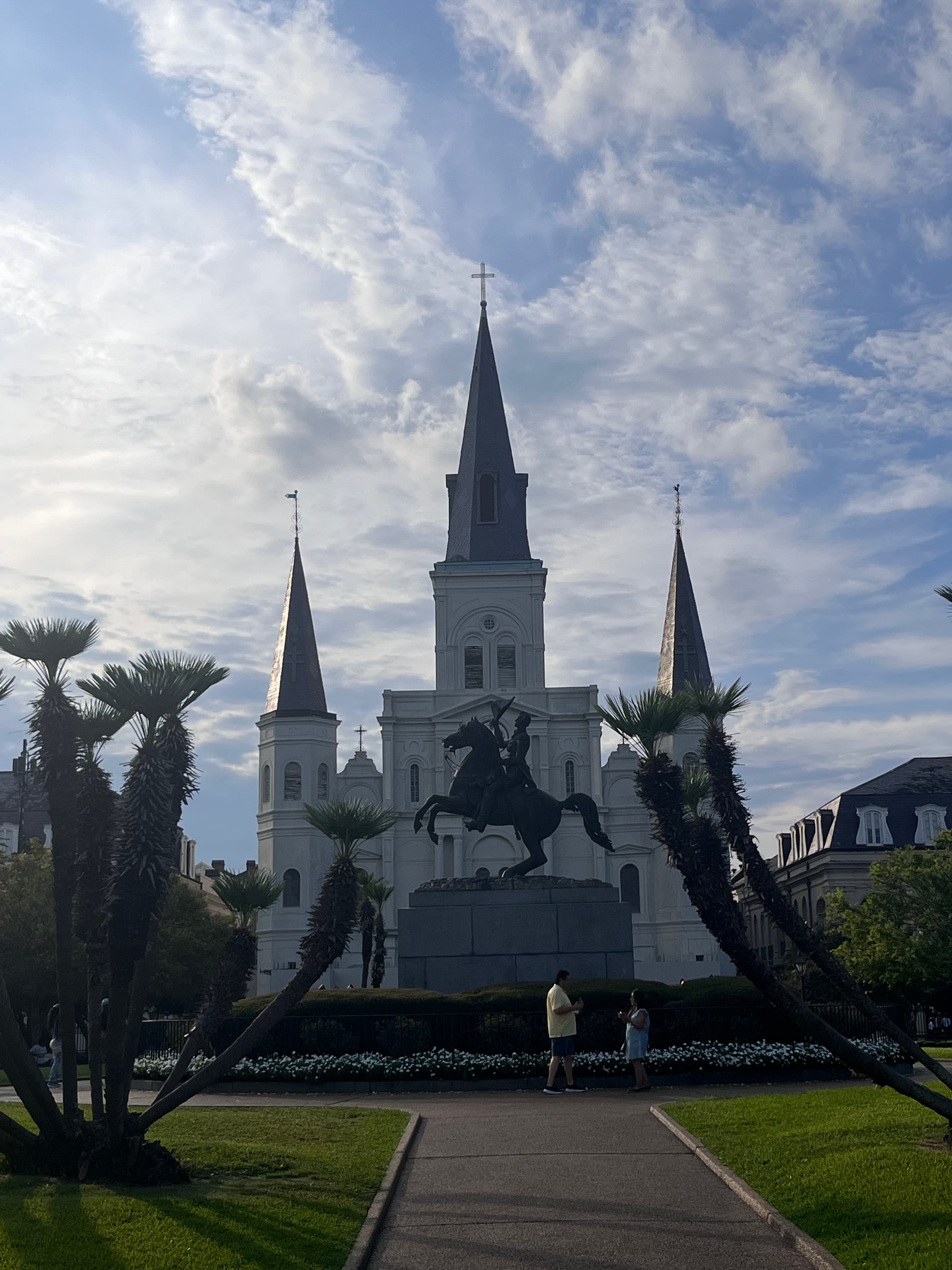
The most famous landmark in this area is, of course, Jackson Square. It began as an important public square during the colonial era, and over time became one of the central landmarks of the French Quarter. In front of it stands St. Louis Cathedral, and around it are painters, street performers, tourists, and carriages. The whole place is excellent for people-watching and equally good for taking photos.
 A quick detour for a complaint. Next to Jackson Square there is a café which, according to Google Maps, was the legendary Cafe Du Monde. The line outside was massive, the kind of line that strongly suggests this is one of those “if you did not go here, you did not really come to New Orleans” places. So Big yun and I joined the queue and waited a solid half hour before finally reaching the counter.
And then the staff member calmly informed us: cash only.
Fine. So we went to a nearby ATM, where we were given a brief but memorable lesson in tourist economics in the form of a 6% fee. Then we returned, cash in hand, ready to experience at least some sort of ancestral recipe, century-old craftsmanship, French culinary soul — something.
Instead, we watched a lady pull out a giant tub of coffee concentrate from the fridge. Not metaphorically. Literally. The kind of industrial-looking coffee base you could easily imagine finding at Walmart. She poured some out, added ice, put on a lid, and handed it over.
In that moment, I fell silent. So this is capitalism.
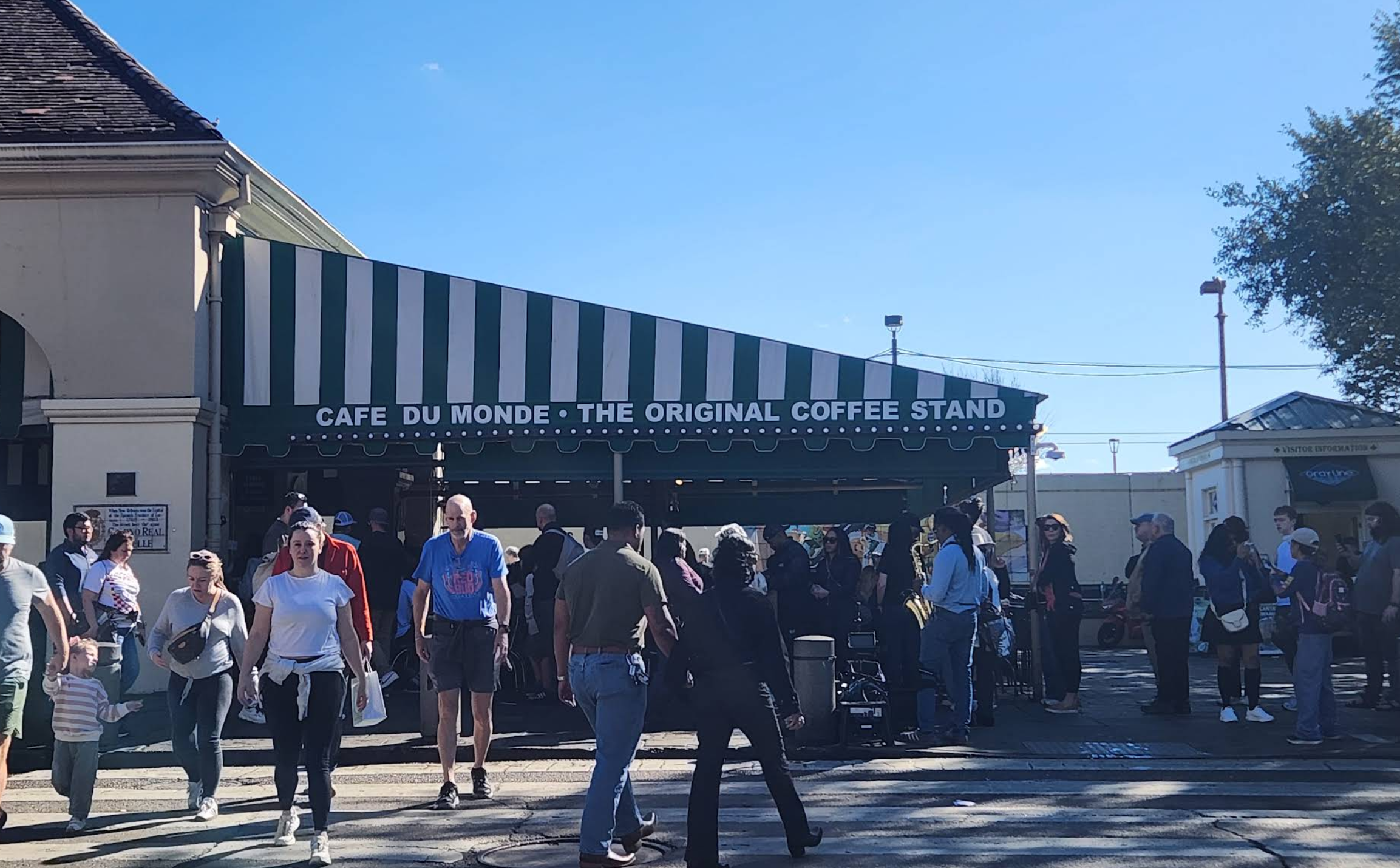
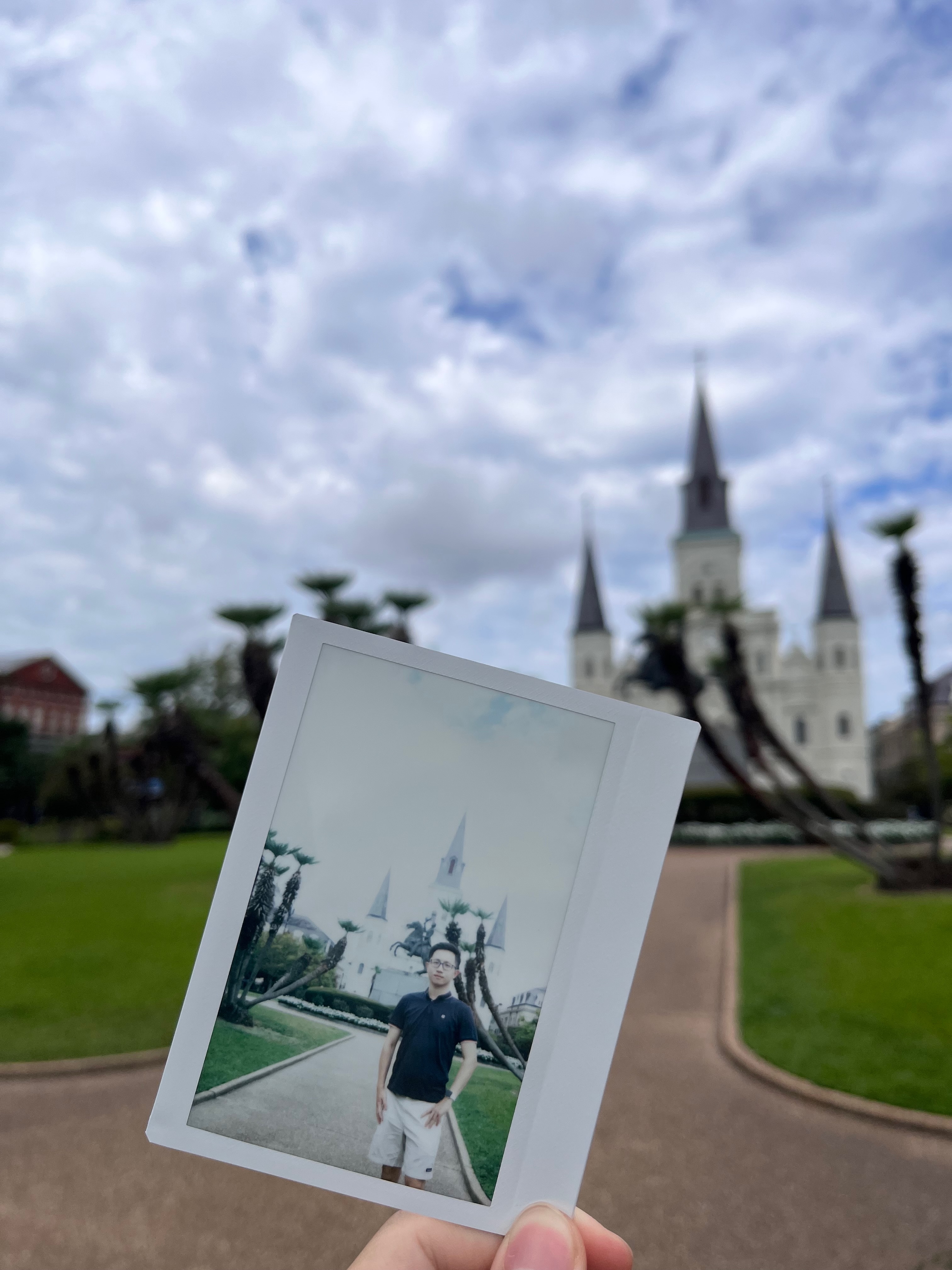
Compared with many stereotypically American buildings — practical, direct, and vaguely built on the principle of “as long as it works” — the architecture here feels much more deliberate. The lines, the decoration, the proportions, even the balconies all look like someone actually cared. Put simply, it is more refined and less rough around the edges. Naturally, we took a commemorative photo to prove that we had indeed visited this “French experience zone inside the United States.”
The most famous street in the French Quarter is Bourbon Street. During the day it looks surprisingly normal, maybe even a little tourist-friendly. But at night it switches into an entirely different operating mode: bar street, nightclub street, giant-speaker-pointing-at-your-eardrum street. In short, it is not the kind of place where you take a peaceful walk.
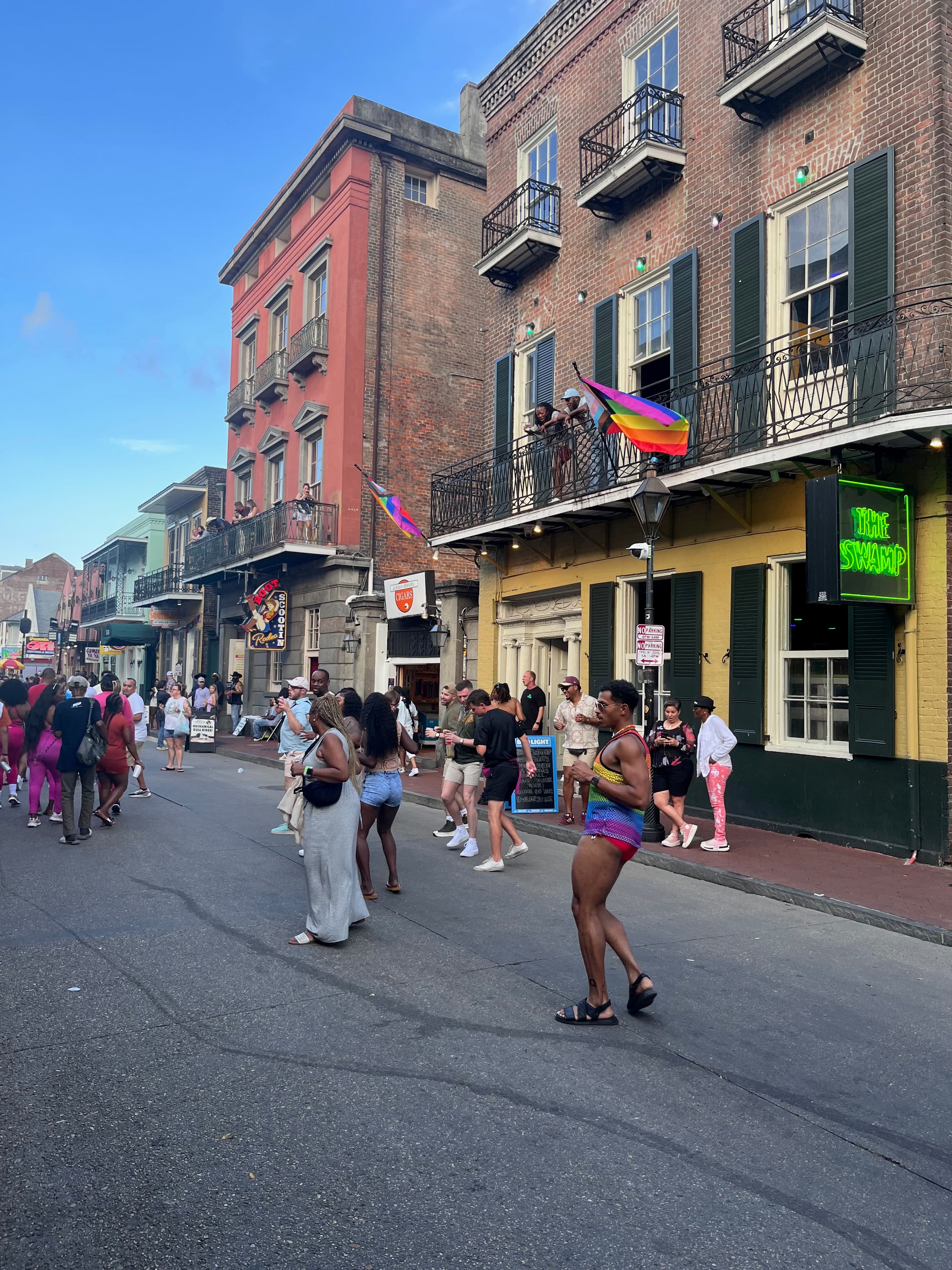
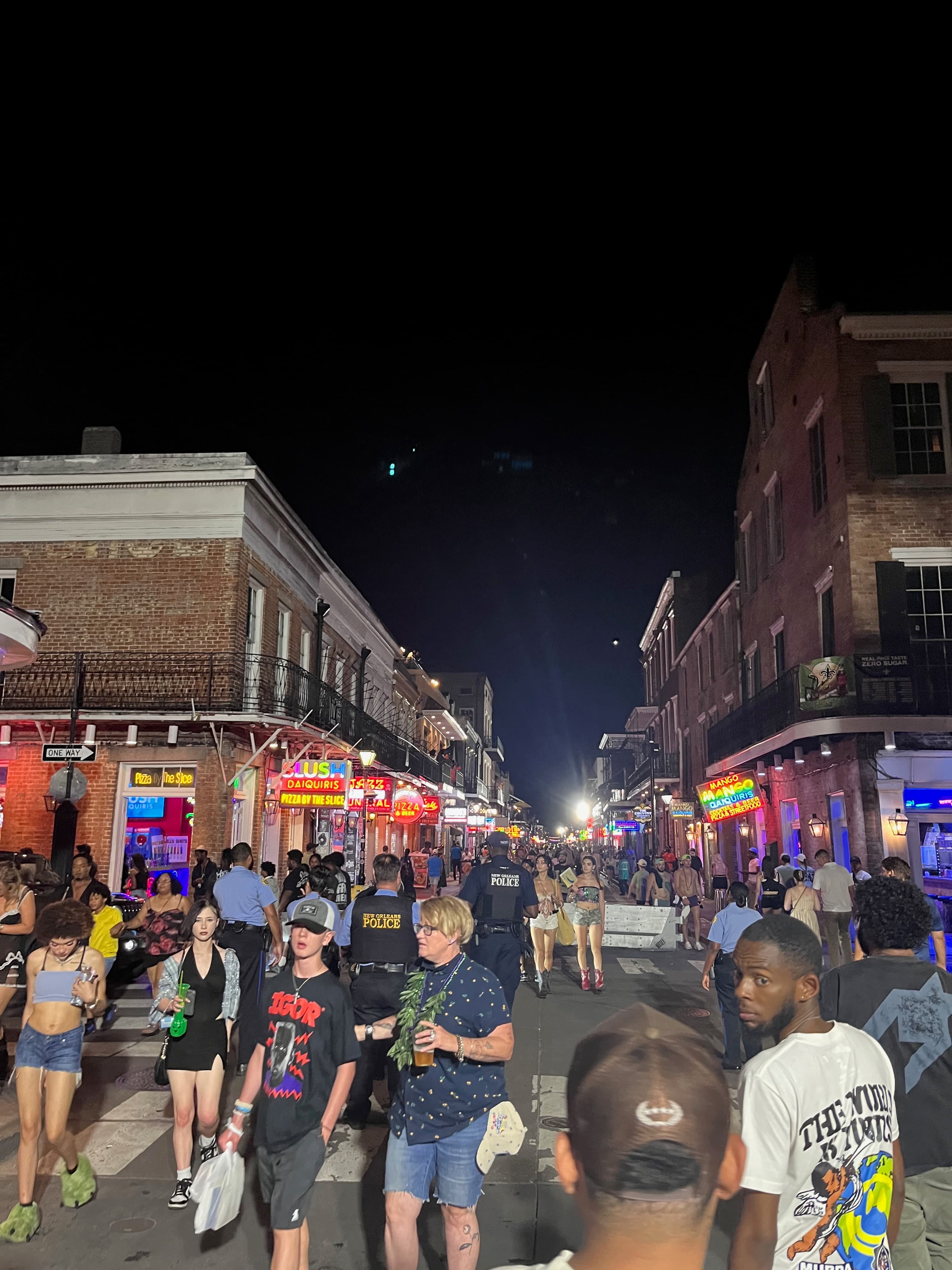
To be honest, New Orleans felt like one of the most LGBT+-friendly places I have seen in the U.S. At night, the whole area gives off this atmosphere of “be whoever you want and have as much fun as you want.” The main visitors seemed to be couples, groups of female friends, or packs of gay friends. Big yun and I, as two straight guys, felt slightly out of place.
The plantation, and that chapter of history
This part of Louisiana used to be a major region for the plantation economy of the American South. To put it bluntly, much of the prosperity here was built on slavery. Industries like sugar and cotton required enormous amounts of labor, and the plantation owners’ solution was simple and brutal: exploitation.
Some of those plantations are still preserved today. On our second day, we drove a little over an hour to visit one of them.
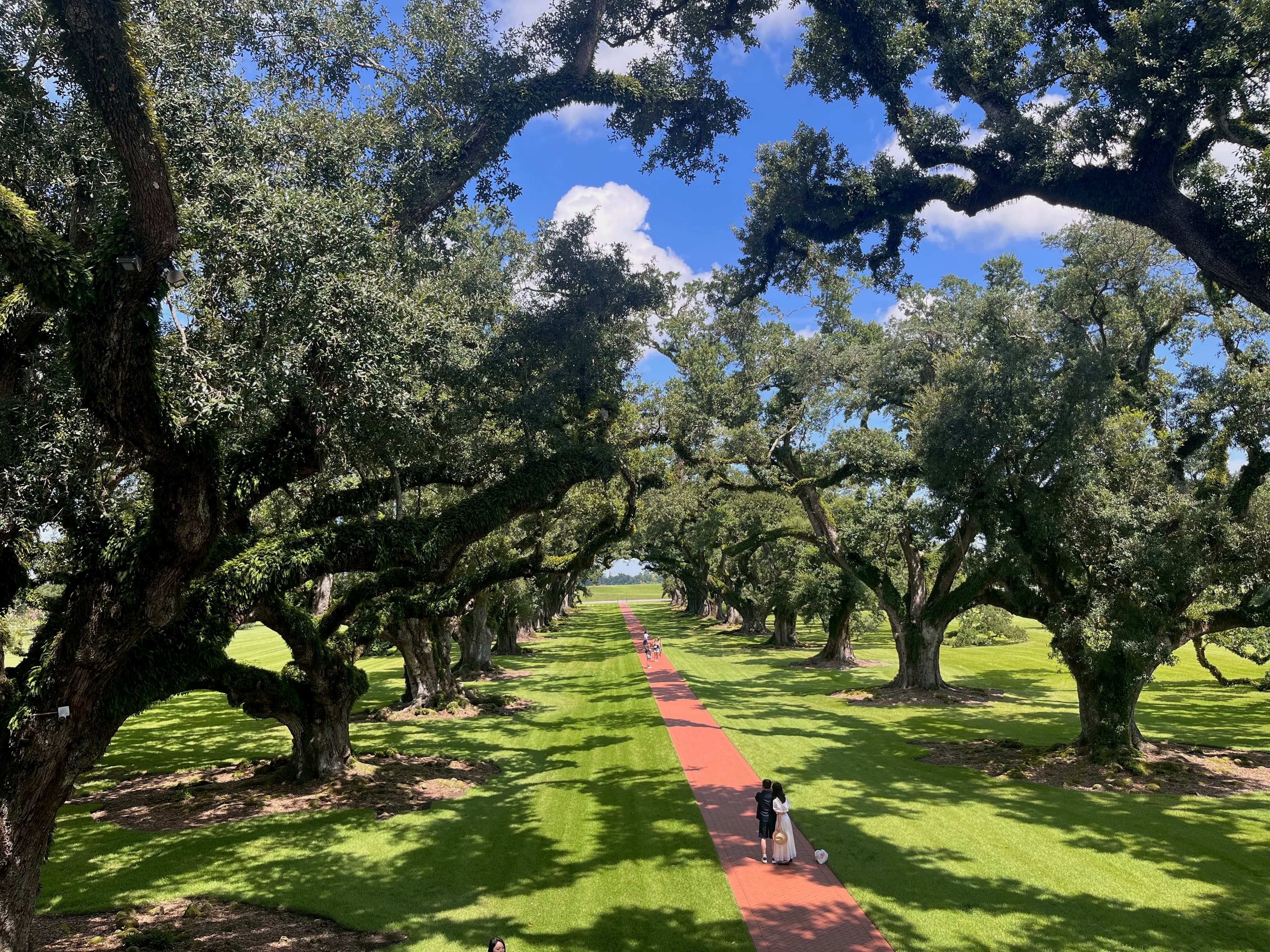
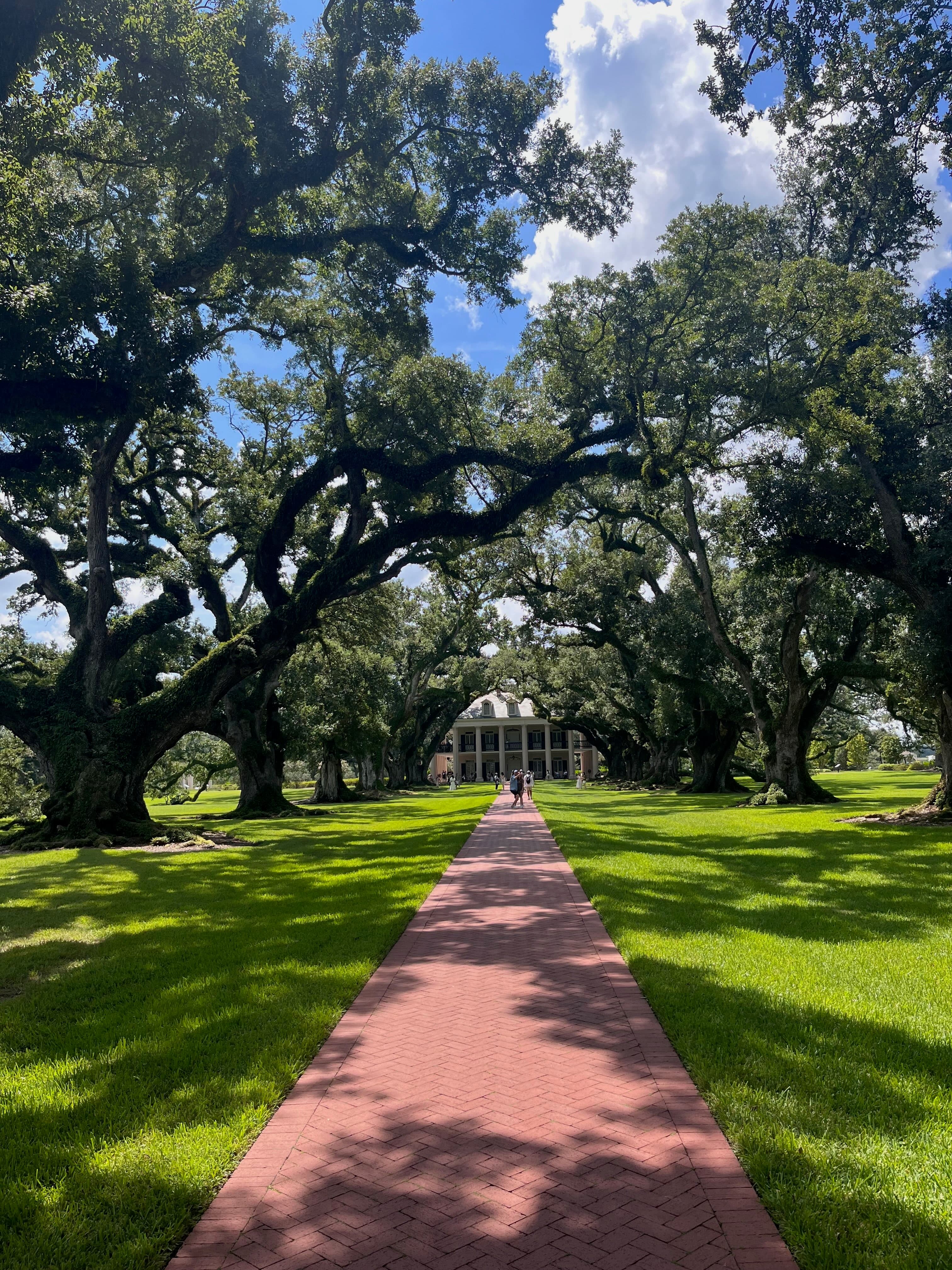
The plantation was huge. According to the guide, at its height there were probably more than a hundred enslaved people there. They had different roles too — some worked in the fields, some inside the main house, others handled all kinds of other labor. Some of the small cabins where they lived are still preserved on the grounds, and the contrast between those and the owner’s house was not subtle. It was not “one is better and one is worse.” It was basically two different worlds. In the photo below, you can see the plantation owner’s house: spacious, elegant, carefully built, even beautiful in a superficial sense. But once you think about what that beauty was built on, the image becomes more complicated.
One thing I found surprising was how many Chinese tourists were there. At least from my sample size that day, it felt like they made up almost half the visitors. Maybe I was just there on a statistically strange day. As for why there did not seem to be as many white or Black visitors, I do not really want to over-interpret. Maybe it was just a tour-routing issue. Maybe many Americans already know this history well enough that they do not feel the need to visit in person. Or maybe some people simply do not want to voluntarily revisit such a painful chapter.
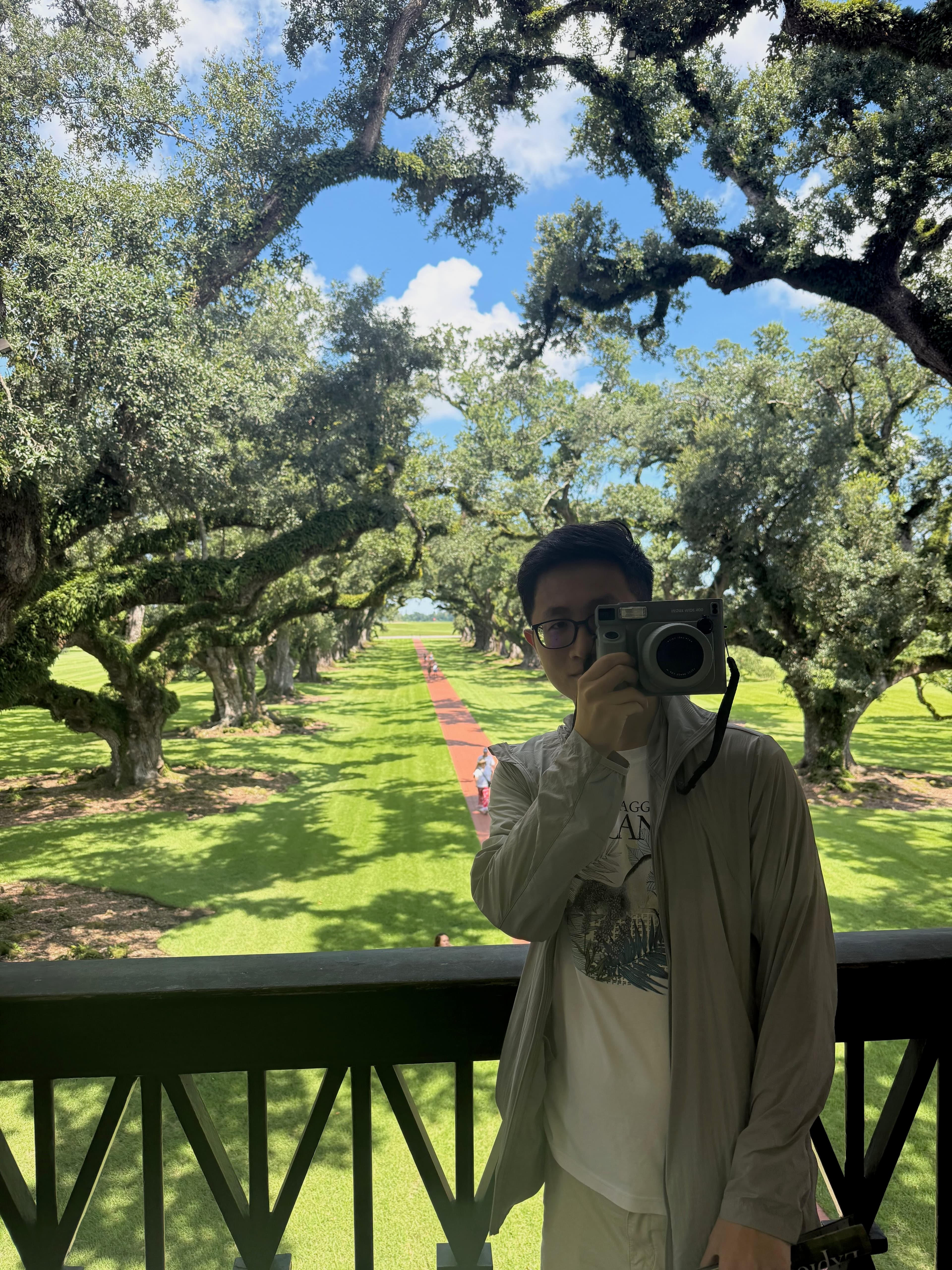
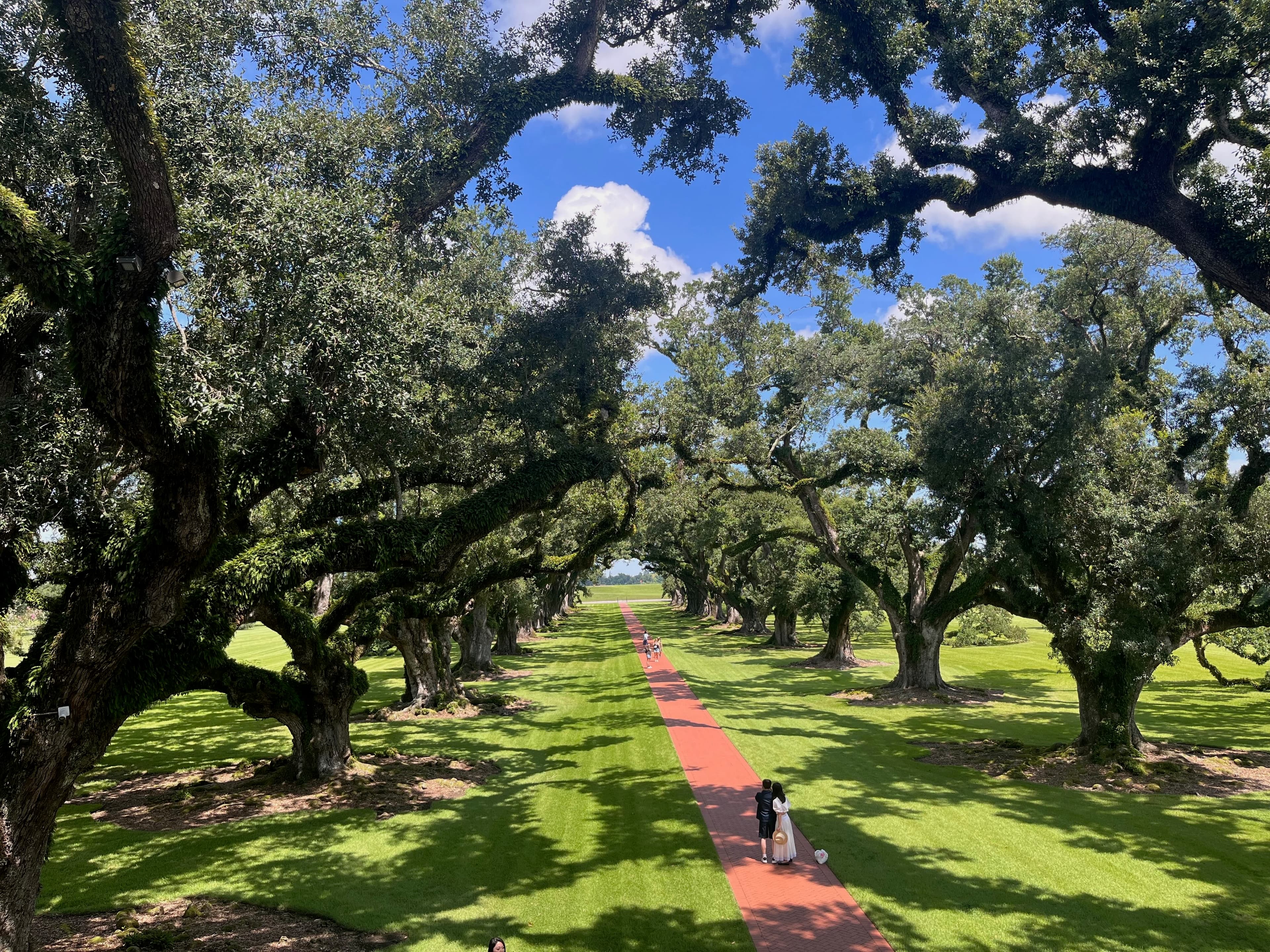
Compared with the plantation buildings themselves, what I actually liked more was the row of oak trees out front. Their canopies stretch outward in a symmetrical way that feels both grand and slightly oppressive. The lawn was meticulously maintained, and the whole path had this old-fashioned, almost cinematic quality. I later realized I seem to have a built-in preference for roads lined with big trees. Walking down the middle of one gives you a strange feeling: as if you are being welcomed and watched by history at the same time.
Decline and rebirth
Geographically speaking, New Orleans was never dealt an especially easy hand. It sits near the mouth of the Mississippi River, surrounded by wetlands and swamps, and much of it lies low in elevation. Hurricanes and flooding are recurring facts of life here. The city’s history is, in many ways, a long-running struggle against water. The most famous example is Hurricane Katrina in 2005, which caused devastating damage: levee failures, catastrophic flooding, population loss, and a deep wound to the city’s vitality. Even today, Katrina remains one of the defining memories of New Orleans.
Objectively speaking, this is not the easiest place to live. It is hot, humid, vulnerable to storms, and demanding on infrastructure. It makes perfect sense that many people eventually left.
And yet the people who stayed really do seem to love this place. They love the rivers, the wetlands, the music, the food — and the city’s slightly messy, slightly worn, but very alive sense of energy. New Orleans does not feel like the kind of city that wins by being clean, efficient, and uniformly modern. It feels more like a place that has been through a lot and still insists on staying vibrant.
Later we joined a swamp tour. Everyone boarded a boat, and the guide took us deep into the wetlands. The mission objective was very clear: find alligators.
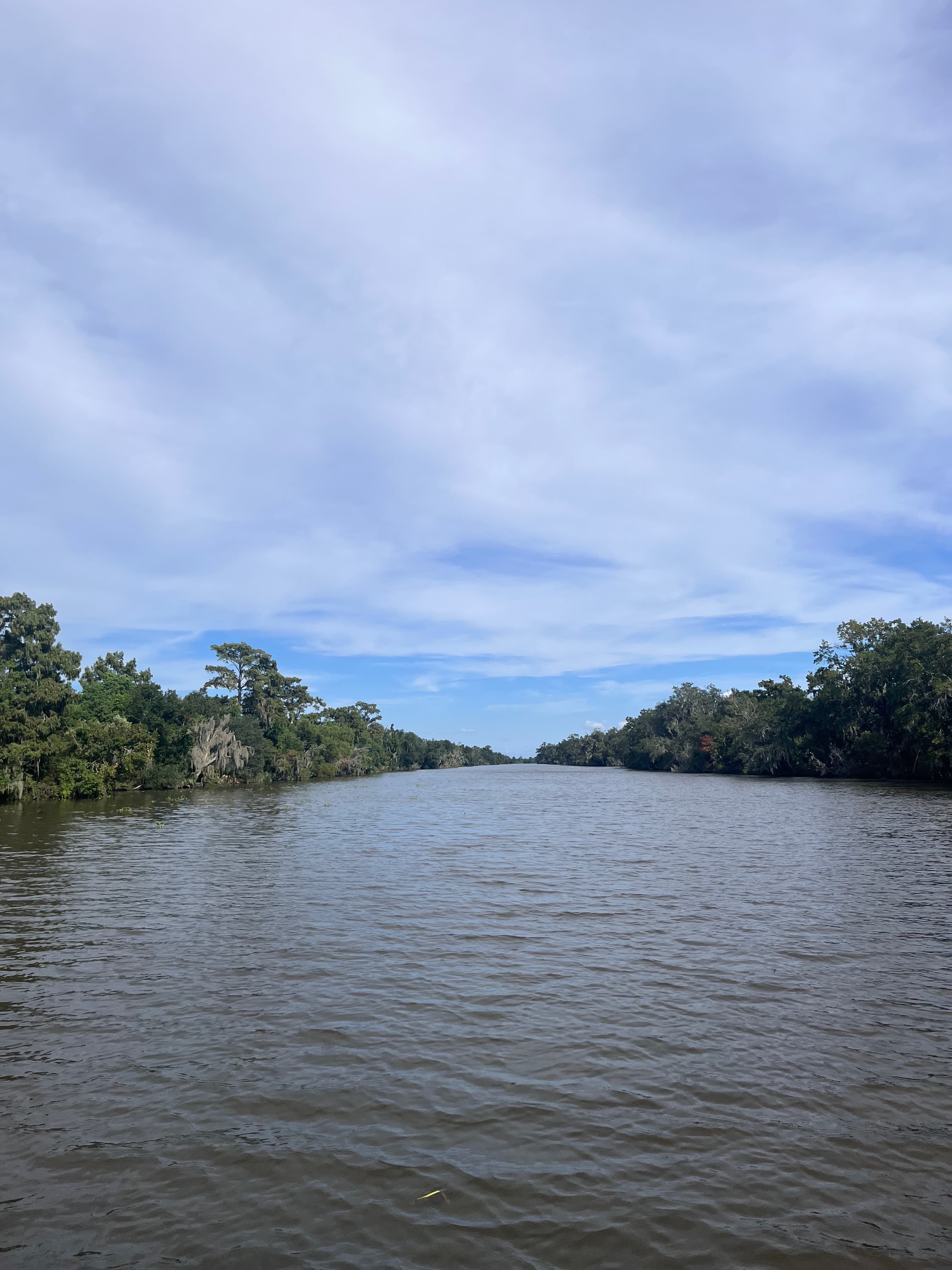
And we did. There were small alligators swimming around, and the guide interacted with them in a way that was suspiciously casual, to the point where I briefly wondered if he had somehow built long-term cross-species social capital.
The most absurd moment came when he stopped the boat in the middle of nowhere and announced that he had a surprise. Then he stepped off the boat holding marshmallows.
At that point my internal alarm system activated immediately. Sir, what exactly are you planning to feed?
A moment later, two little raccoons emerged from the bushes.
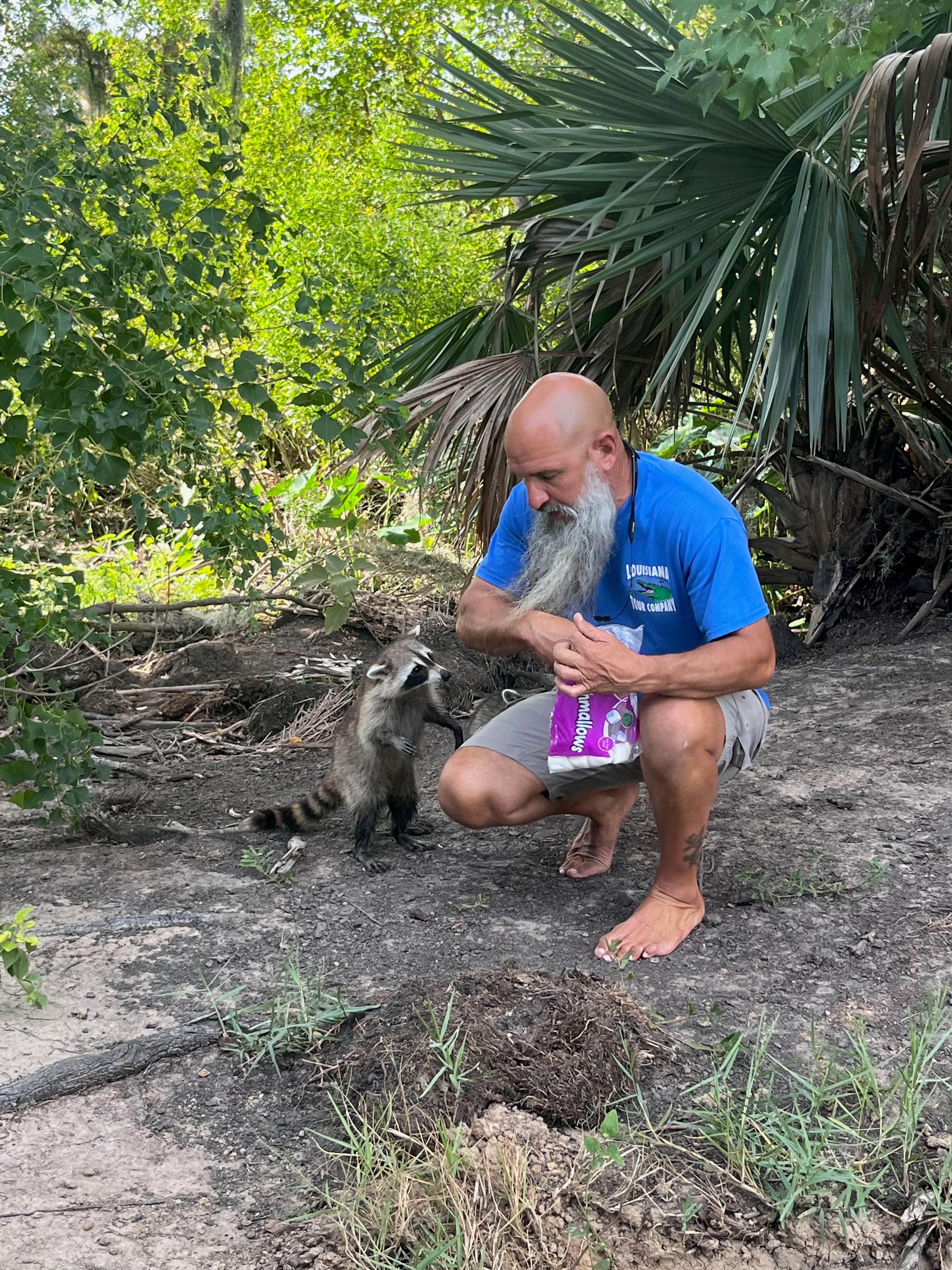
I genuinely lost it. One minute we were on an educational wetlands tour in the American South, and the next minute it turned into a side quest from Guardians of the Galaxy. The raccoons grabbed the food and stuffed it into their mouths with alarming professionalism. This was clearly not their first performance.
There was another funny moment when we were hiking in a park and saw a small alligator sunbathing right next to the trail. It was so still, so unnaturally motionless, that for several seconds I honestly thought it was fake — some plastic prop placed there to enhance the experience. Then I looked a little longer and realized it was absolutely real. In a place like this, the food chain is not as distant from the tourists as one might prefer.

Let's Eeeeeat
If I had to summarize New Orleans food in a few words, they would be: bold, lively, and very easy to eat too much of.
Cajun and Creole cuisine are two of the city’s signature styles. They are similar, but not the same. A simplified version would be: Cajun feels more rustic and direct, with strong seasoning and zero interest in subtlety; Creole feels more urban, shaped by French, Spanish, African, and other cultural influences, often with more complexity in preparation. However you define the difference, the practical takeaway for a visitor is simple: the food here has personality. You are unlikely to finish a meal and immediately forget it.
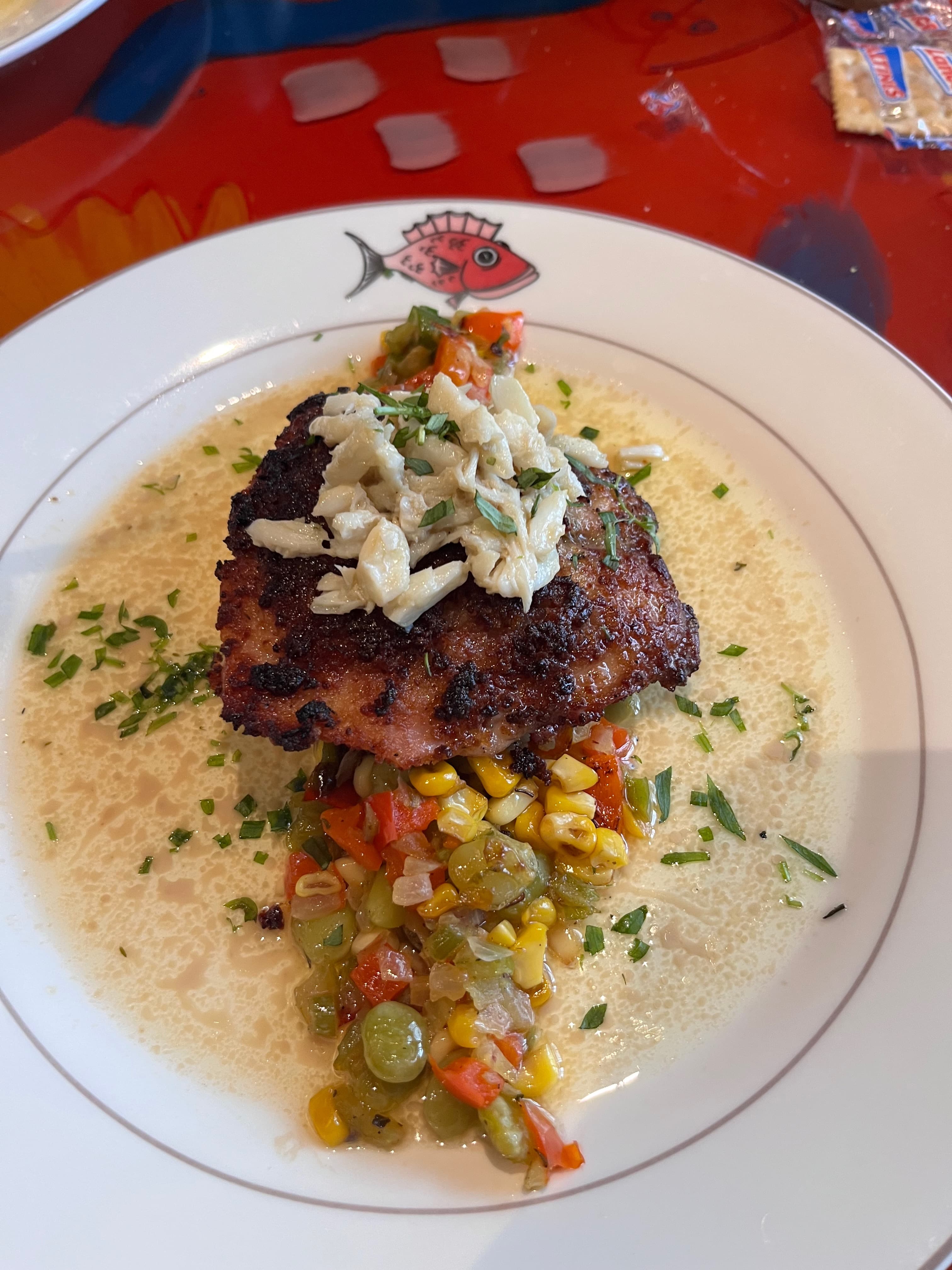
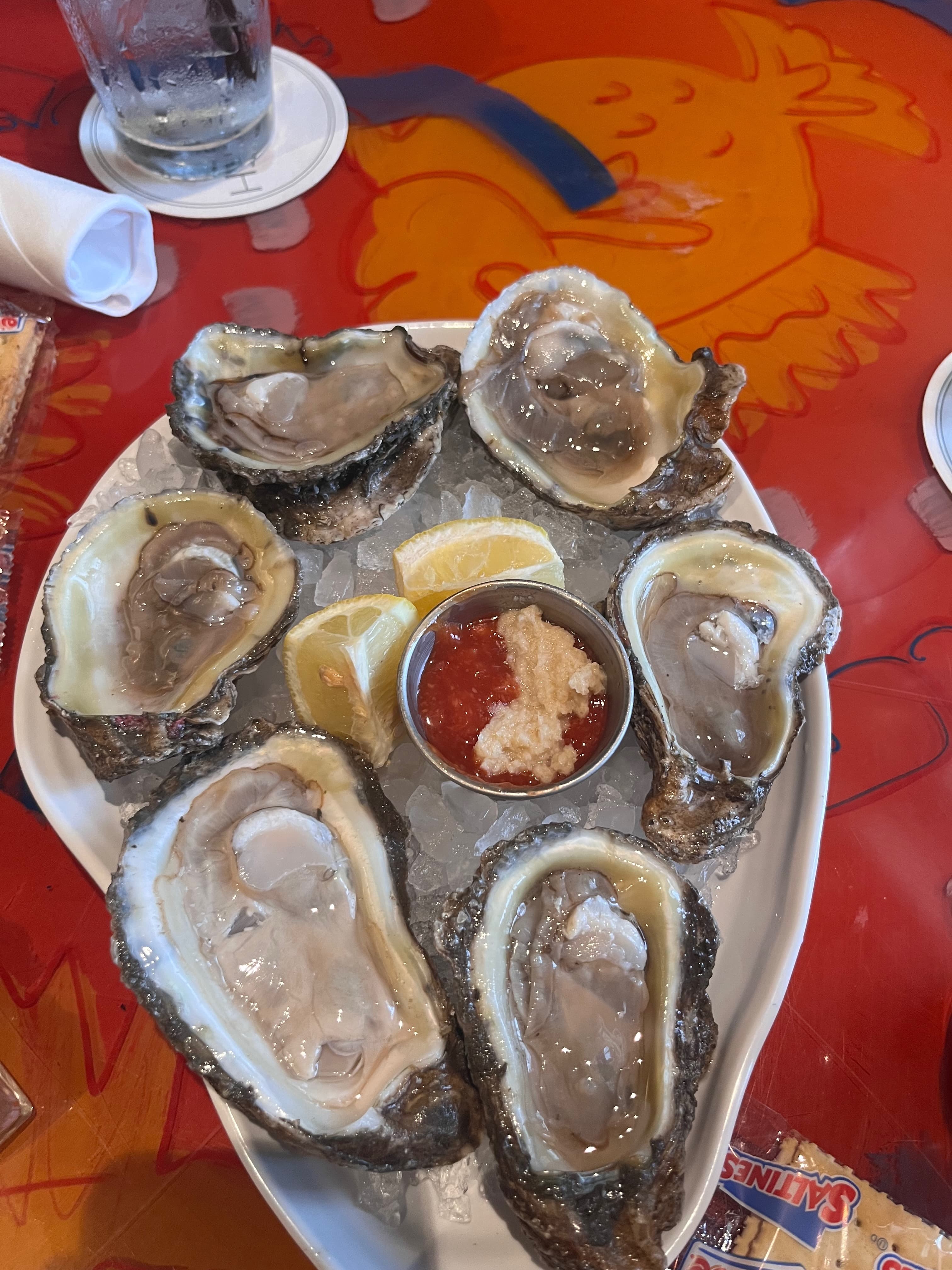
New Orleans is also known for seafood, and oysters are naturally part of that equation. A lot of local restaurants specialize in them, with options ranging from raw to baked. Personally, as someone who does not necessarily need every meal to showcase “pure original flavor,” I found baked oysters much more approachable. Add heat, garlic, and butter, and it becomes very hard to go wrong.
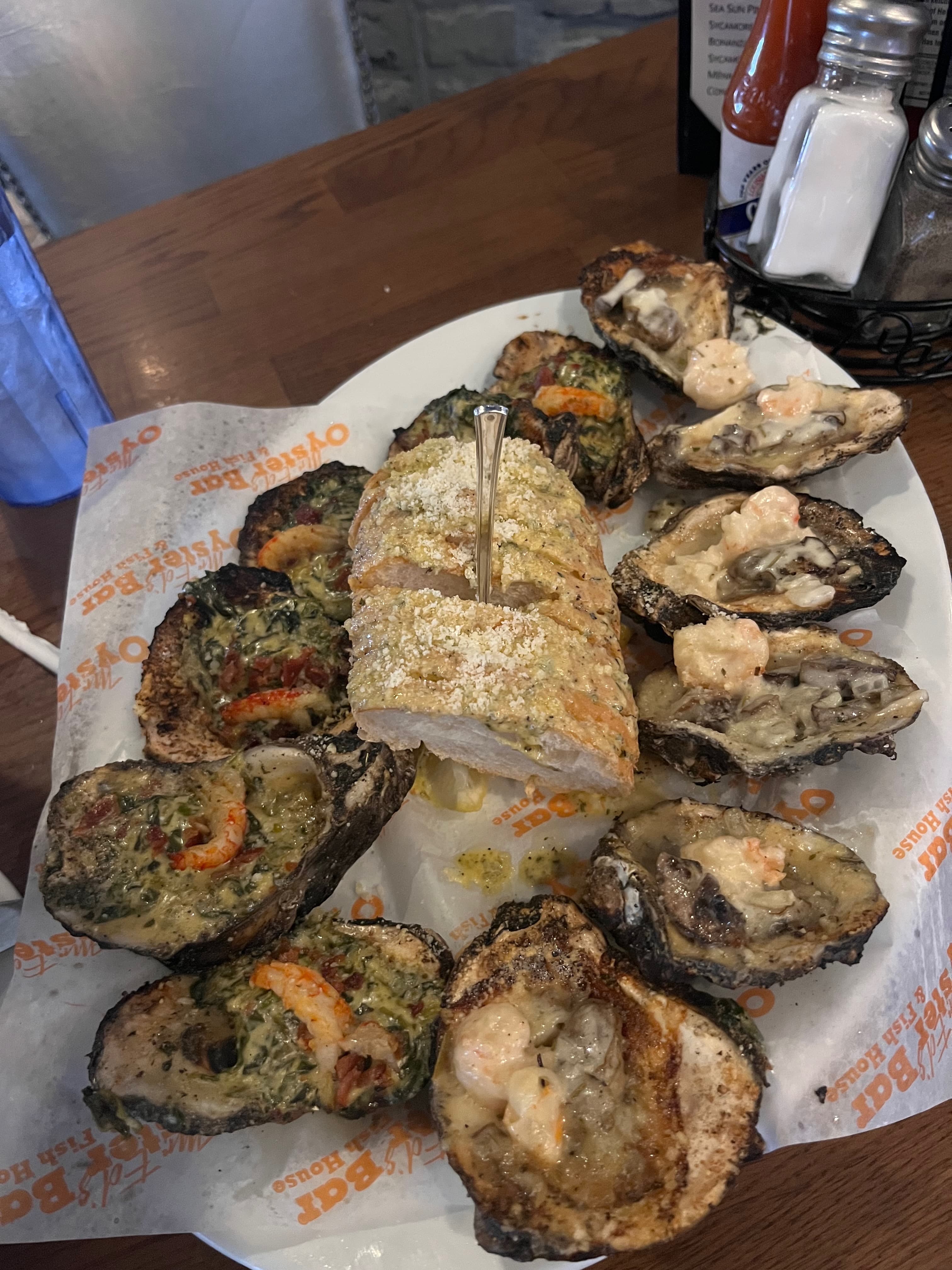
Crawfish are also one of the signature ingredients of Louisiana. The crawfish here were genuinely excellent — fresh, flavorful, and served with all the straightforward intensity you would expect from the region. As for whoever first introduced them to China and helped turn them into a full-scale late-night culinary empire, I can only say that person made an extraordinary contribution to Sino-American food exchange. The crawfish themselves probably never imagined that life in Southern wetlands would eventually lead to mass deployment on Chinese dining tables.
And finally, I must make one solemn declaration:
New Orleans does not have “New Orleans chicken wings.”
Login to leave a comment or like this post.